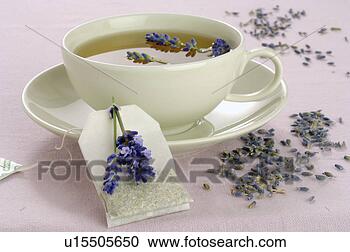
As an herb, lavender has been in documented use for over 2,500 years. In ancient times lavender was used for mummification and perfume by the Egyptians, Phoenicians, and peoples of Arabia.
Romans used lavender oils for bathing, cooking, and scenting the air, and they most likely gave it the Latin root from which we derive the modern name (either lavare--to wash, or livendula--livid or bluish). The flower's soothing "tonic" qualities, the insect-repellent effects of the strong scent, and the use of the dried plant in smoking mixtures also added to the value of the herb in ancient times..
Lavender is mentioned often in the Bible, not by the name lavender but rather by the name used at that time--spikenard (from the Greek name for lavender, naardus, after the Syrian city Naarda). In the gospel of Luke the writer reports: "Then took Mary a pound of ointment of spikenard, very costly, and anointed the feet of Jesus, and wiped his feet with her hair; and the house was filled with the odor of the ointment."
 Another ancient Christian reference to lavender involves how it got its scent.
The plant is believed to have been taken from the Garden of Eden by Adam
and Eve. However, the powerful perfume came later. According to legend,
the clothing of baby Jesus bestowed the scent when Mother Mary laid them
upon a bush to dry. This may explain why the plant is also regarded as a holy
safeguard against evil. In many Christian houses, a cross of lavender was
hung over the door for protection.
Perhaps first domesticated by the Arabians, lavender spread
 across Europe from Greece. Around 600 BC, lavender may
have come from the Greek Hyeres Islands into France and is
now common in France, Spain, Italy and England.
The 'English' lavender varieties were not locally developed
in England but rather introduced in the 1600s, right around
the Americas. In Medieval and Renaissance Europe, the
washing women were known as "lavenders" and they used
lavender to scent drawers and dried the laundry on lavender
bushes. Also during this time, lavender was grown in so-called "infirmarian's gardens" in monasteries, along with many other medicinal herbs. According to the German nun Hildegard of Bingen, who lived from 1098-1179, lavender "water,"--a decoction of vodka, gin, or brandy mixed with lavender--is great for migraine headaches.